End-User Demand Abu Dhabi: Why It Matters in Real Estate Decisions
One of the most important factors shaping real estate performance is demand specifically, end-user demand Abu Dhabi. While many buyers focus on pricing, incentives, or project branding, long-term stability is often driven by the people who actually choose to live in a property.
Understanding end-user demand helps buyers and investors make smarter decisions that go beyond short-term market trends.
What Is End-User Demand?
End-user demand Abu Dhabi refers to demand generated by people who purchase or rent properties to live in, not to resell quickly or speculate. These residents are motivated by lifestyle, proximity to work or schools, amenities, and long-term comfort.
Areas with strong end-user demand tend to show greater resilience across market cycles, as demand is supported by real living needs rather than investment sentiment alone.
Why End-User Demand Matters More Than Hype
In markets driven purely by speculation, activity can rise and fall quickly. In contrast, areas supported by end-user demand Abu Dhabi often experience more consistent occupancy, stable pricing, and smoother rental performance.
When people genuinely choose an area to live in, they contribute to community growth, infrastructure usage, and long-term value. This type of demand protects property owners from sharp fluctuations and sudden drops in interest.
Lifestyle as a Demand Driver
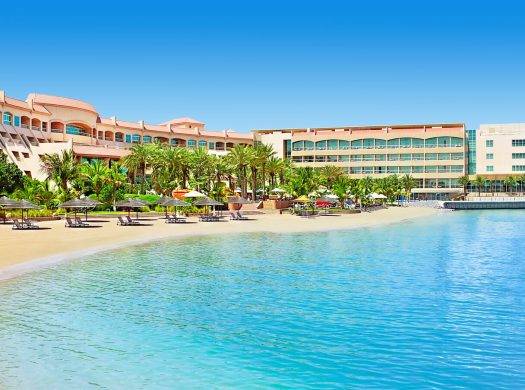
Lifestyle plays a central role in end-user demand Abu Dhabi. Access to beaches, parks, cultural spaces, schools, and healthcare facilities strongly influences where residents choose to settle.
Areas like Saadiyat Island attract end users who value privacy, culture, and quality living. Yas Island appeals to families and professionals seeking activity, accessibility, and convenience. These lifestyle-driven choices help sustain demand even during slower market periods.
Central Locations and Practical Living
Not all end-user demand Abu Dhabi is lifestyle-focused. Centrality and convenience also drive strong demand. Reem Island, for example, attracts residents due to its proximity to business districts, downtown Abu Dhabi, and essential services.
Professionals often prioritize shorter commutes and access to workplaces, making centrally located areas attractive for long-term occupancy rather than short-term stays.
Family-Oriented Demand Patterns
Families represent a major component of end-user demand Abu Dhabi. Areas offering space, schools, and a calm environment naturally attract long-term residents.
Communities such as Khalifa City and Al Raha Beach appeal to families seeking stability and neighborhood living. This type of demand is often less sensitive to market fluctuations, as families tend to remain in their homes for longer periods.
End-User Demand vs Investor Demand
Understanding the difference between end-user demand Abu Dhabi and investor-driven demand is essential. Investor demand may focus on rental yield and exit strategies, while end-user demand prioritizes livability.
Areas supported primarily by investors may experience higher turnover, whereas end-user-led communities tend to show stronger retention and value stability.
The strongest markets often balance both types of demand, but long-term performance usually depends on end users.
How Buyers and Investors Can Use This Insight
Evaluating end-user demand Abu Dhabi helps buyers choose areas with sustainable growth rather than temporary popularity. Investors who understand who lives in an area and why are better positioned to select properties that remain desirable over time.
Asking questions about resident profiles, lifestyle appeal, and community development provides clarity beyond marketing materials.